
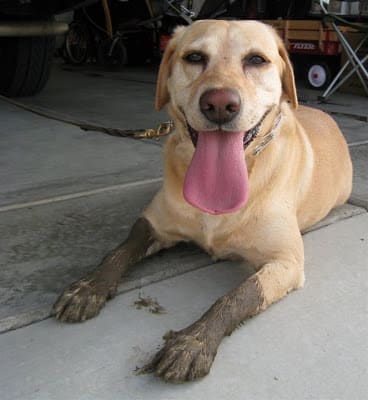
Rain, wet grass, puddles and winter slush can leave your dog’s paws damp, muddy and sensitive. Drying paws thoroughly after a walk helps remove moisture and debris, while waterproof dog boots can help keep paws cleaner and drier in the first place.
A simple routine can help with wet paws, dry or rough paw pads, licking after moisturizer, slippery indoor floors and everyday rainy-weather cleanup.
Do not leave damp paws enclosed in wet boots or socks. Remove wet footwear when your dog comes inside and allow both the paws and the boots to dry completely.
If your dog’s paw pads are dry, rough or cracked, a paw moisturizer or balm may help soften and protect them. Always make sure the paws are clean and completely dry before applying anything, especially between the toes.
If you use Bag Balm or another paw moisturizer, apply a small amount according to the product directions. If your dog immediately tries to lick it off, you can temporarily cover the paws with lightweight, breathable Meshies dog boots while the moisturizer has time to absorb.
Why Meshies? They are soft and breathable, so they can help keep your dog from licking freshly moisturized paws without enclosing them in a heavy waterproof boot. Remove the Meshies afterward so the paws can breathe normally.
If the paw pads are bleeding, deeply cracked, painful, swollen or persistently irritated, contact your veterinarian before applying products to the area.
Occasional wet paws are normal, but contact your veterinarian if you notice:

Rain, puddles and wet sidewalks
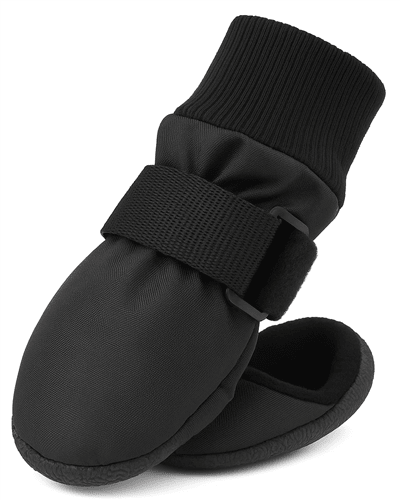
Waterproof styles help create a barrier between the paw and wet outdoor surfaces and can reduce muddy cleanup after rainy walks.
Wet grass and damp lawns
PolarPaws provide soft, waterproof coverage for dogs walking through wet grass, damp yards and cooler rainy conditions.

Durable everyday outdoor protection
All Weather Ultras provide sturdy paw protection for grass, sidewalks and changing outdoor conditions when your dog needs a more substantial boot.

Covering moisturized paws and discouraging licking
Meshies are lightweight and breathable, making them useful for temporarily covering paws after applying Bag Balm or another paw moisturizer.
Wet paws can lose traction on hardwood, tile and laminate floors. Dry your dog’s feet before letting them run through the house, especially if your dog is older or already has difficulty on slippery flooring.
If slipping is a regular problem even when the paws are dry, see our Orthopedic & Non-Slip Dog Boots.
If your dog is new to footwear, see our How to Train Your Dog to Wear Boots guide for simple introduction tips.
Browse waterproof boots for rain, puddles, wet grass, mud and slushy conditions.
Shop Waterproof Dog BootsGetting wet occasionally is normal. Dry the paws afterward, especially between the toes, and check for irritation or trapped debris.
If the paw pads are dry or rough, a suitable paw moisturizer may help. Make sure the paws are completely dry first and follow the directions for the product being used.
After applying a small amount of moisturizer, a lightweight breathable boot can temporarily cover the paw while the product absorbs. Meshies are one option for this purpose.
Waterproof boots provide a better barrier on wet grass than breathable mesh footwear. PolarPaws are one soft waterproof option for damp lawns and wet outdoor conditions.
A towel is the best first step. If you use a dryer, keep it on a low, cool setting, keep it moving and avoid holding it close to the skin.