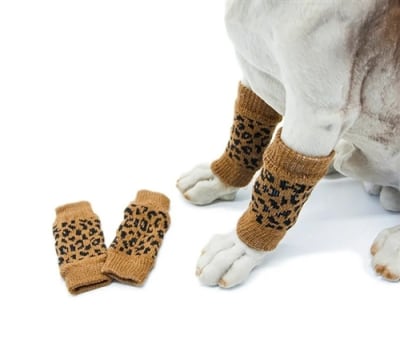
Wound care dog boots, also used asdog recovery boots, help protect injured paws, bandages, surgical sites, and sensitive skin from dirt, debris, licking, and chewing.These protective boots provide an outer barrier during recovery and can help keep covered paws cleaner during everyday movement and short outdoor trips..
When a dog has an injured paw, torn pad, bandage, or recent procedure, keeping the area covered can help protect it during everyday movement. Wound care dog boots create a physical barrier between the paw and dirt, debris, moisture, licking, and chewing.
Protective boots can also help keep bandages cleaner during short, supervised outdoor trips and reduce direct contact with floors, grass, sidewalks, and other surfaces while a paw is sensitive.
A wound protection boot can be useful when a dog needs an outer cover over a paw bandage, dressing, torn pad, or irritated area. The boot should fit securely without compressing the bandage or restricting circulation.
After a paw or lower-leg procedure, a protective boot may help keep the area covered during short walks or trips outside. Always follow your veterinarian’s instructions for surgical-site care, bandaging, and activity.
A protective boot creates a physical barrier that can make it harder for a dog to lick or chew an injured or bandaged paw. Some dogs may still need an e-collar or other protection recommended by a veterinarian.
For broader paw-care needs involving allergies, mobility issues, or other medical concerns, visit our Medical Dog Boots collection.
Many protective dog boots can be worn over a paw bandage or dressing. The boot should be roomy enough for the covered paw and should not compress the bandage or restrict circulation.
A protective boot can make it harder for a dog to lick or chew an injured or bandaged paw, but some dogs may still need an e-collar or other protection recommended by a veterinarian.
A protective boot can help cover an injured or bandaged paw during short, supervised outdoor trips. Check the boot and bandage afterward and keep the area clean and dry according to your veterinarian’s instructions.
The boot should fit securely while leaving enough room for the bandaged paw. It should not squeeze the dressing, restrict circulation, or rub against the injured area.