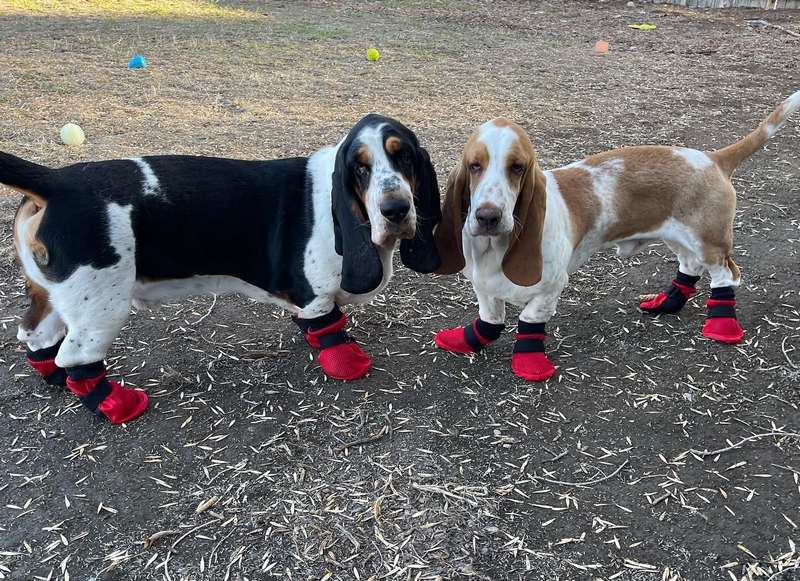
Basset Hounds may benefit from wearing dog boots for a variety of reasons. Learn why these lovable, long-eared companions sometimes need protective footwear and what type of boots are best for them.
Basset Hounds are instantly recognizable for their short legs, long ears, and charming droopy expressions. Despite their laid-back nature, they are surprisingly athletic and bred to follow scents for miles. These dogs make loyal, affectionate family pets and generally get along well with children and other animals.
While they appear small, Bassets are actually large-boned dogs packed into a short frame. Adult females typically weigh 44–55 pounds and males 55–63 pounds, with an average height of around 13 inches at the shoulder.
Owners should be aware that Bassets are scent-driven and may wander if not kept secure. Their floppy ears make them prone to ear infections, and their skin can produce a distinctive odor, often compared to corn chips. Regular bathing and weekly ear cleaning are essential.
Basset Hounds also love to eat, sometimes a little too much. Their long backs make them susceptible to spinal issues, so keeping them at a healthy weight is critical. Measured feeding and regular low-impact exercise can help avoid obesity and joint strain.
Basset Hounds are prone to mobility challenges due to their unique structure. Their heavy body and short legs put extra strain on the spine, especially as they age. Common conditions include back problems, hip and elbow dysplasia, and patella luxation. If your Basset begins dragging their paws or showing signs of weakness, boots can help protect their feet and support mobility.
Boots are particularly useful for senior Bassets or those recovering from surgery. Rear boots can prevent scraping, improve grip, and offer comfort on slippery or abrasive surfaces.


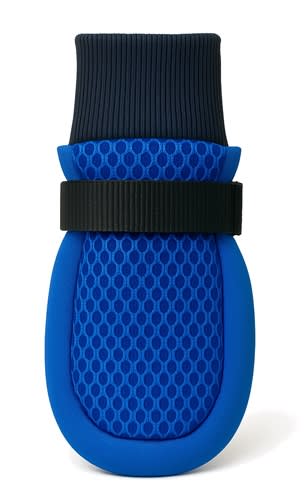

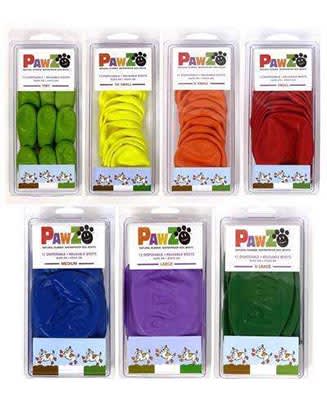

Basset Hounds are notoriously hard to fit due to their short legs and wide paws. Sock-style boots can be a great option because they are flexible and easier to adjust for width. Look for low-cut boots with adjustable closures.
To measure your Basset's paws: Have your dog stand on a sheet of paper. Mark the front of the longest toenail and the back of the paw to get the length. Then mark the widest points for width. Measure the distance between the marks. Avoid tracing the paw, as this often overestimates size.