Some foods that are perfectly safe for people can be dangerous for dogs. Grapes and raisins, xylitol, chocolate, onions, garlic, alcohol and raw yeast dough are among the items dog owners should keep out of reach.
This guide covers common foods that can harm dogs, warning signs to watch for and what to do if your dog eats something potentially toxic.
Symptoms vary depending on what your dog ate, how much was consumed, your dog’s size and health, and the substance involved. Some toxic foods can cause serious problems before obvious symptoms develop.
The seriousness of a poisoning depends on the substance, amount eaten and individual dog. If you know or suspect your dog ate a potentially toxic food, contact a veterinary professional rather than trying to determine the risk based only on symptoms.
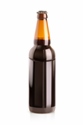
Alcohol can cause vomiting, diarrhea, loss of coordination, weakness, decreased activity, tremors and difficulty breathing in dogs. Severe alcohol poisoning can lead to coma, respiratory failure and death. Keep alcoholic drinks, alcohol-containing foods and spills away from pets.
Onions, garlic, chives, shallots and related members of the Allium family can cause gastrointestinal irritation and damage red blood cells, potentially leading to anemia. Raw, cooked, powdered and dehydrated forms can all be a concern.
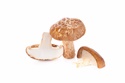
Some wild mushrooms contain dangerous toxins, and it can be difficult to tell toxic varieties from harmless ones. Toxic mushrooms can cause gastrointestinal illness, neurologic problems, liver or kidney damage and other serious effects. If your dog eats a wild mushroom, contact your veterinarian and, if possible, safely photograph or collect a sample for identification.
Chocolate and caffeine contain stimulants that can affect a dog’s heart and nervous system. The risk from chocolate depends on the type and amount eaten and the dog’s size. Dark chocolate, baking chocolate and cocoa powder contain higher concentrations than milk chocolate. Coffee, coffee grounds, tea, energy products and other concentrated sources of caffeine should also be kept away from dogs.
Xylitol is a sweetener found in some sugar-free gum, candy, baked goods, nut butters, dental products, medications and supplements. In dogs, xylitol can trigger a rapid release of insulin and cause a dangerous drop in blood sugar. Some dogs can also develop liver injury or liver failure. Xylitol ingestion should be treated as an emergency.
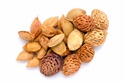
Large fruit pits can be a choking hazard or cause a blockage in the digestive tract. Pits from fruits such as cherries, peaches, nectarines, plums and apricots also contain cyanide-producing compounds. Cyanide poisoning is uncommon unless a dog chews and consumes a significant amount, but pits should still be kept out of reach. Remove apple seeds and cores before offering apple slices.
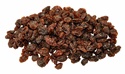
Grapes and raisins can cause acute kidney injury in dogs. The amount that causes a problem can vary, so there is no reliable way to assume an exposure is safe based only on the number eaten. Contact your veterinarian or poison control promptly if your dog eats grapes or raisins.
Raw bread dough containing yeast can expand after it is swallowed, causing painful stomach distention and potentially dangerous bloating. As the yeast ferments, it can also produce alcohol inside the digestive tract and cause alcohol poisoning.
Macadamia nuts can cause weakness, vomiting, loss of coordination, tremors and increased body temperature in dogs. Most affected dogs recover with appropriate care, and signs often resolve within about 12 to 48 hours, but you should still contact a veterinarian if your dog eats macadamia nuts.
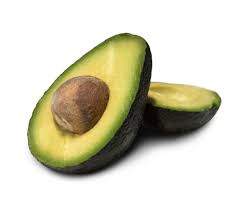
Dogs are less sensitive to the toxin persin than some other animal species, but avocado can still cause stomach upset and the high fat content may be a problem for some dogs. The large pit is also a significant choking and intestinal-obstruction hazard. It is safest to keep whole avocados and pits away from dogs.
If you want to share a small snack with a healthy dog, simpler foods are generally better choices than rich table scraps. Keep portions small and check with your veterinarian if your dog has medical or dietary restrictions.
No. Grapes and raisins can cause acute kidney injury in dogs, and the amount that causes toxicity can vary. Contact your veterinarian or animal poison control if your dog eats them.
Contact your veterinarian or animal poison control. The risk depends on your dog’s size, the amount eaten and the type of chocolate. Dark chocolate, baking chocolate and cocoa powder contain higher concentrations of the compounds that cause toxicity.
No. Xylitol can cause a rapid and dangerous drop in blood sugar in dogs and can sometimes lead to liver injury. Check ingredient labels on peanut butter and other products before giving them to your dog.
Dogs are less sensitive to persin than some other animals, but avocado can still cause stomach upset and the pit can cause choking or an intestinal blockage. It is safest to keep whole avocados and pits away from dogs.
Yes. Macadamia nuts can cause weakness, vomiting, loss of coordination, tremors and increased body temperature. Most dogs recover, but a veterinarian should be contacted after an exposure.
Not unless a veterinarian or animal poison-control professional specifically instructs you to do so. Vomiting can be unsafe with certain substances or in certain medical situations.